

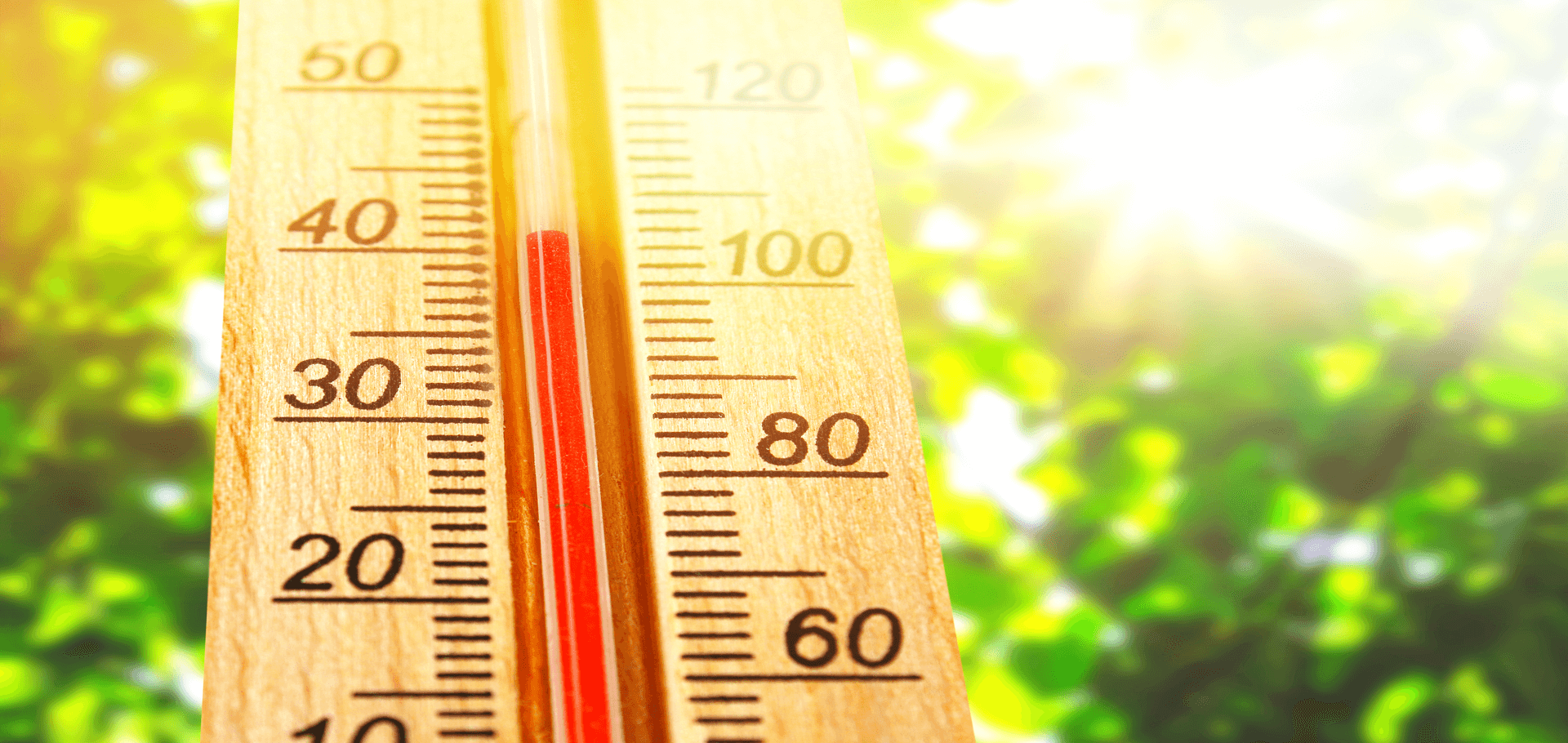
Summer heat can take a serious toll on your lawn—especially in Myrtle Beach and the surrounding areas, where temperatures are higher than average this season, according to the Climate Prediction Center. If your grass is looking dry, patchy, or stressed, now’s the time to act with proper lawn care summer heat practices.
In this post, we’ll walk you through essential lawn care summer heat tips to help your lawn survive and thrive during the hottest months. You’ll learn how to water effectively, mow the right way, deal with common summer lawn pests, and fertilize without causing damage. We’ll also explain why summer lawn care matters more than ever—and how to tell when it’s time to bring in a professional for help.
Whether you’re maintaining your own yard or looking to stay informed, this guide is packed with simple, practical advice to protect your lawn from the summer heat. By following these lawn care summer heat strategies, you can keep your grass healthy, green, and resilient all season long.
Why Summer Heat is Tough on Myrtle Beach Lawns
Extreme heat, poor soil conditions, and pest activity often work together to weaken lawns during the summer—especially in Myrtle Beach, where temperatures are rising each year. These combined stressors can leave your grass more vulnerable to disease, drought, and permanent damage.
Heat stress leads to browning, wilting, and dormancy, while poor soil restricts root development and nutrient absorption. At the same time, summer pests like chinch bugs and armyworms thrive in hot conditions, quickly targeting stressed areas of your lawn.
According to lawn care experts at The Grass Outlet and Earth Smart, common signs of summer lawn stress include:
|
|
|
|
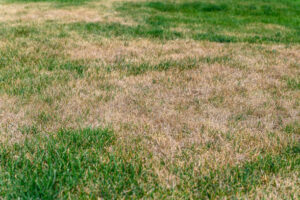 Browning
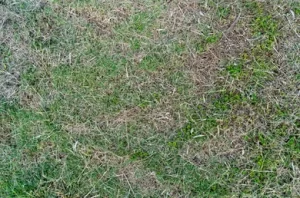 Wilting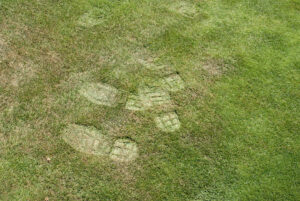
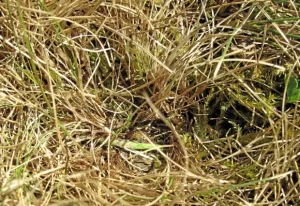 Dry, Brittle Grass
These symptoms signal that your lawn is struggling to retain moisture and may be going dormant to conserve energy.
If you’re noticing any of these signs, now’s the time to act. Adjust your watering and mowing habits, aerate the soil to promote healthy roots, and consider applying organic or slow-release fertilizers to help your grass recover and thrive.
Watering the Right Way During Summer
Watering your lawn during the heat of summer isn’t just about how much water you use — it’s about when and how you apply it.
According to EFCO’s summer watering guide, the best time to water your lawn is early in the morning, ideally between 5 a.m. and 9 a.m. This timing reduces evaporation and gives grass blades a chance to dry during the day, which helps prevent fungal growth.
How deep should you water? A good rule of thumb is to apply about 1 inch (2.5 cm) of water per week, including rainfall. Water deeply and infrequently—this encourages deep root growth, making your lawn more resilient during heatwaves.
Overwatering can be just as harmful as underwatering. It can lead to mold, fungal diseases, and shallow root systems that make your lawn even more vulnerable to stress.
Watering Do’s and Don’ts
Proper watering and mowing are key to lawn care summer heat success, keeping your lawn green and strong despite rising temperatures.
✅ Do:
- ✔ Water early in the morning
- ✔ Water the large areas for 40-50 minutes each
- ✔ Add Water the narrow sides for 15 minute each
- ✔ Water 1-2 Times a week only
❌ Don’t:
- ✘ Water at night (promotes fungus)
- ✘ Use short, shallow bursts
- ✘ Water every day (weak roots)
- ✘ Ignore signs of runoff or pooling
Watch Out for Summer Lawn Pests
Summer heat doesn’t just stress your lawn — it attracts pests that thrive in warm, coastal climates like Myrtle Beach. Chinch bugs, grubs, and armyworms are the most common culprits, and they can quickly turn a healthy lawn into patches of dead, thinning grass.
According to lawn care experts, pest damage often spreads faster than heat stress. Chinch bugs suck moisture from grass blades, leaving yellow spots that turn brown. Grubs feed on roots, creating soft, spongy areas, while armyworms chew through grass blades, leaving ragged edges and bare patches.
Smart Mowing Strategies for Hot Weather
Mowing the right way can reduce heat stress and keep your lawn healthier in summer.
- Keep grass taller: Aim for 3–4 inches to provide shade and protect roots.
- Never scalp the lawn: Cutting too short weakens grass and exposes soil to heat.
- Use sharp blades: Clean cuts heal faster and reduce moisture loss.
Quick Tip: Mow in the early morning or evening to avoid stressing the grass during peak heat.
Should You Fertilize in Summer?
Fertilizing in summer can help, but only when done carefully.
- When to fertilize: Use light, slow-release or organic fertilizers to maintain nutrients.
- When to skip: Avoid fertilizing during extreme heat or drought — it can burn the grass.
- Prevent fertilizer burn: Water the lawn deeply after application and never overapply.
When to Call a Lawn Care Professional
Some lawn problems need more than DIY care. If you’re seeing:
- Brown or thinning patches that won’t bounce back
- Recurring pest damage from chinch bugs, grubs, or armyworms
- Uneven watering or drainage issues
- Overall stress despite proper mowing and fertilization
…it’s time to call in the experts.
At Quiet Lawn, we use quiet, battery-powered equipment and eco-friendly treatments to restore lawns without disturbing your peace — or the environment. Our local team understands the unique challenges of Myrtle Beach lawns and can:
- Treat pests safely and effectively
- Optimize your irrigation and watering routines
- Create a custom care plan to keep your lawn lush and healthy year-round
Ready for a greener, healthier lawn — without the noise? Contact Quiet Lawn today for an eco-friendly lawn evaluation.
